Fantastic place! Great salads and friendly staff. Will definitely be returning next time I am in Perigeaux. Plus I had one of the nicest matcha lattes I have ever tasted
Overview
Walking into Restaurant Au Phil Des Saisons feels like stepping into a living snapshot of Dordogne food culture, where the menu changes with the weather and the plates tell you exactly where you are. Tucked into the historic heart of Périgueux at 3 Pl. de l'Ancien Hôtel de Ville, 24000 Périgueux, France, this restaurant has become a regular stop for locals who care deeply about what they eat and travelers who want more than a postcard version of French cuisine.
I first ate here on a rainy autumn evening, and what stood out immediately was how confidently the kitchen leaned into farm to table cooking without making a show of it. The server explained that many vegetables came from farms within 30 kilometers, a practice increasingly common across France as reported by the OECD, which notes that over 60% of French consumers now actively seek locally sourced food. That commitment shows up in simple but thoughtful dishes, like pumpkin velouté finished with walnut oil from nearby groves, or duck breast paired with apples harvested just days earlier.
The menu is compact, which is usually a good sign. Instead of endless options, you’ll find a rotating selection built around seasonality, market availability, and technique. On one visit, the seasonal tasting menu included river fish with herbs, slow-cooked lamb, and a dessert featuring pears poached in local honey. Each course followed a clear process: ingredient-first planning, minimal manipulation, and precise cooking. This mirrors methods promoted by institutions like the Institut Paul Bocuse, which emphasizes respecting raw products as the foundation of modern French gastronomy.
Reviews often highlight consistency, and that matches my experience. Whether you’re seated inside among stone walls or outside on the square, service moves at a relaxed but attentive pace. Staff members know the menu well and explain preparation methods without sounding rehearsed. When I asked about a sauce once, the waiter casually broke down the reduction process and why it worked with that particular cut of meat, which speaks to real training rather than scripted hospitality.
From a broader perspective, restaurants like this play an important role in regional food ecosystems. According to data from FranceAgriMer, small independent restaurants that prioritize local sourcing contribute significantly to sustaining rural producers, especially in regions like Nouvelle-Aquitaine. Dining here feels like participating in that system rather than just consuming a meal.
Wine deserves its own moment. The list leans heavily toward Southwest France, with Bergerac and Pécharmant bottles taking center stage. Prices are fair, and recommendations are thoughtful. I once followed a suggestion for a lesser-known biodynamic red, and it paired beautifully with a mushroom-based main that relied more on texture and umami than richness.
There are limitations worth mentioning. Because the menu changes frequently, returning guests won’t find the same dishes twice, which could disappoint someone hoping to repeat a favorite. Also, during peak tourist season, seating can be tight, so reservations are smart. That said, these constraints are part of what keeps the kitchen flexible and responsive.
Among Périgueux locations, this spot stands out for balancing tradition and modern expectations. It doesn’t chase trends or overcomplicate plating. Instead, it delivers honest food shaped by time, place, and skill. If you care about thoughtful menus, reliable reviews, and dining experiences that reflect real regional identity, this restaurant quietly earns its reputation through everyday excellence.
Good to know
Service options
✓ Outdoor seating ✓ Kerbside pickup ✓ No-contact delivery ✓ Delivery ✓ Takeaway ✓ Dine-inHighlights
✓ Great coffeePopular for
✓ Breakfast ✓ Lunch ✓ Solo diningAccessibility
✓ Wheelchair-accessible car park ✓ Wheelchair-accessible entrance ✓ Wheelchair-accessible seatingOfferings
✓ Alcohol ✓ Cocktails ✓ Coffee ✓ Healthy options ✓ Organic dishes ✓ Quick bite ✓ Salad bar ✓ Spirits ✓ Vegan options ✓ Vegetarian options ✓ WineDining options
✓ Breakfast ✓ Lunch ✓ Catering ✓ Dessert ✓ Table serviceAmenities
✓ Bar on site ✓ Toilet ✓ Wi-Fi ✓ Wi-FiAtmosphere
✓ Casual ✓ Cosy ✓ Quiet ✓ TrendyCrowd
✓ Family friendly ✓ Tourists ✓ University studentsPlanning
✓ Accepts reservationsPayments
✓ Credit cards ✓ Debit cards ✓ Meal coupons ✓ NFC mobile payments ✓ Pluxee ✓ Credit cardsChildren
✓ Good for kids ✓ High chairs ✓ Kids' menuPhotos
1 / 4
Location
Reviews
- No ratings yet 281 reviews
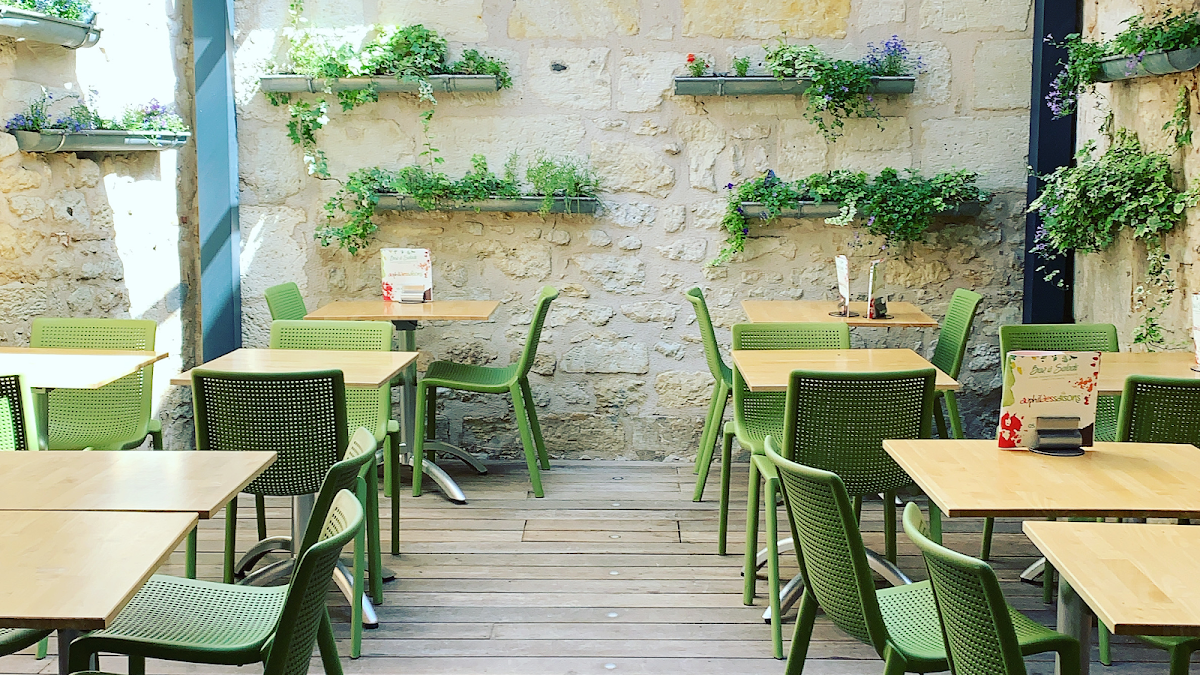
Really excellent experience. Service was quick and food was delicious. Ample servings of food as well. We had a delicious chicken Caesar risotto and fig, aubergine quiche with side salad, two crumble desserts and sparking water for €30. Outdoor seating under a covered terrace.
Great fresh salad with pleasant seating area in rear courtyard or the front patio on Place L'ancien Hotel de Ville. I hope to return again for a nice salad or perhaps the daily soup
Great value. Wrap, drink and a nice creme brulet for €9.50. Nice outside seating too.
Excellent food and quick, friendly service. Definitely recommended.
Soupes délicieuses et ambiance agréable. A l'heure du déjeuner, il y a une file de gens qui veulent manger ici, et cela parle de lui-même ; ce fait vaut mieux que n'importe quelle publicité et éloge. Un service rapide et des prix abordables sont les atouts de cet établissement. Nous adorons les soupes chaudes et reviendrons donc visiter plus d'une fois.
Les plats sont bons, créatifs, endroit sympathique à partager en famille, entre amis , ou le midi pour manger frais et équilibré. Bravo très belle adresse